Cup Schedule Congestion Reshapes Recovery Periods and Alters Domestic Match Dynamics
Written by Rosa Sullivan · Jun 27, 2026
Cup Schedule Congestion Reshapes Recovery Periods and Alters Domestic Match Dynamics
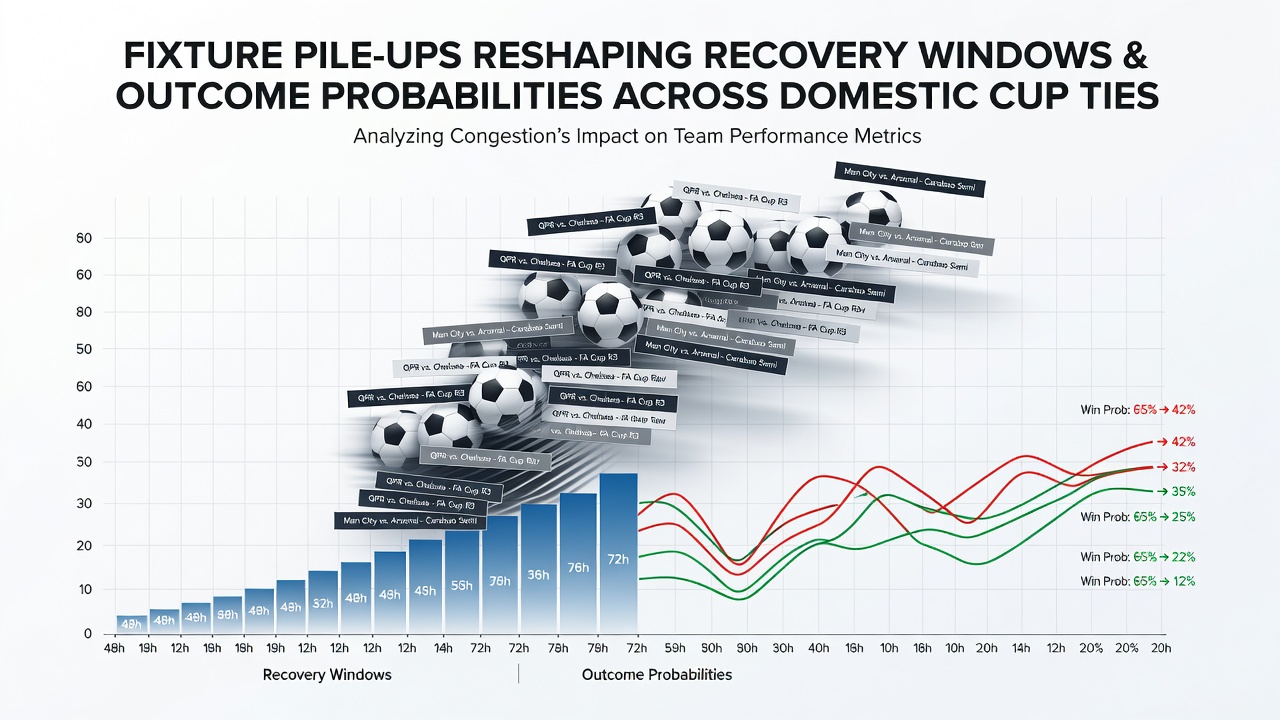
Domestic cup competitions across major leagues create dense fixture clusters that compress recovery windows for squads, and data from multiple seasons shows these patterns shift win probabilities, draw rates, and goal totals in measurable ways. Teams advancing through early rounds often face three matches in ten days, a schedule that leaves limited time for full physiological restoration between games, according to workload analyses compiled by European football federations.
Understanding Fixture Clusters in Cup Formats
Domestic cups operate with single-elimination brackets that bunch matches into short calendar windows, especially when replays or postponements occur, and this structure forces clubs to rotate personnel or accept reduced preparation time. Observers note that midweek ties frequently follow weekend league games, producing recovery intervals as short as 48 hours for some players, while those intervals stretch beyond 72 hours for others depending on travel demands and squad depth.
Research from sports science departments at universities in Australia and Canada indicates that muscle glycogen replenishment and neuromuscular recovery require at least 72 hours for optimal function after high-intensity efforts, yet cup schedules routinely fall below that threshold. When teams play consecutive cup ties without adequate rest, injury incidence rises by documented margins, and starting lineups change more frequently, altering tactical cohesion that typically develops over longer preparation periods.
Recovery Windows and Performance Metrics
Performance tracking platforms record declines in high-speed running distance and sprint frequency when players return to action with less than three full days between fixtures, and these reductions correlate with lower expected goal creation in subsequent matches. Studies tracking heart-rate variability and sleep patterns reveal elevated stress markers that persist for up to five days after congested periods, affecting decision-making speed during key moments such as set-piece defending or counter-attacks.
Teams that navigate multiple cup rounds while maintaining league commitments show measurable drops in clean-sheet percentages compared with periods of lighter scheduling, and goal-scoring efficiency from open play tends to decrease as fatigue accumulates. Data collected during teh 2025-2026 campaign highlighted similar patterns in several European domestic cups, where sides reaching quarter-final stages encountered fixture densities that exceeded those of the prior five seasons.
Shifts in Outcome Probabilities
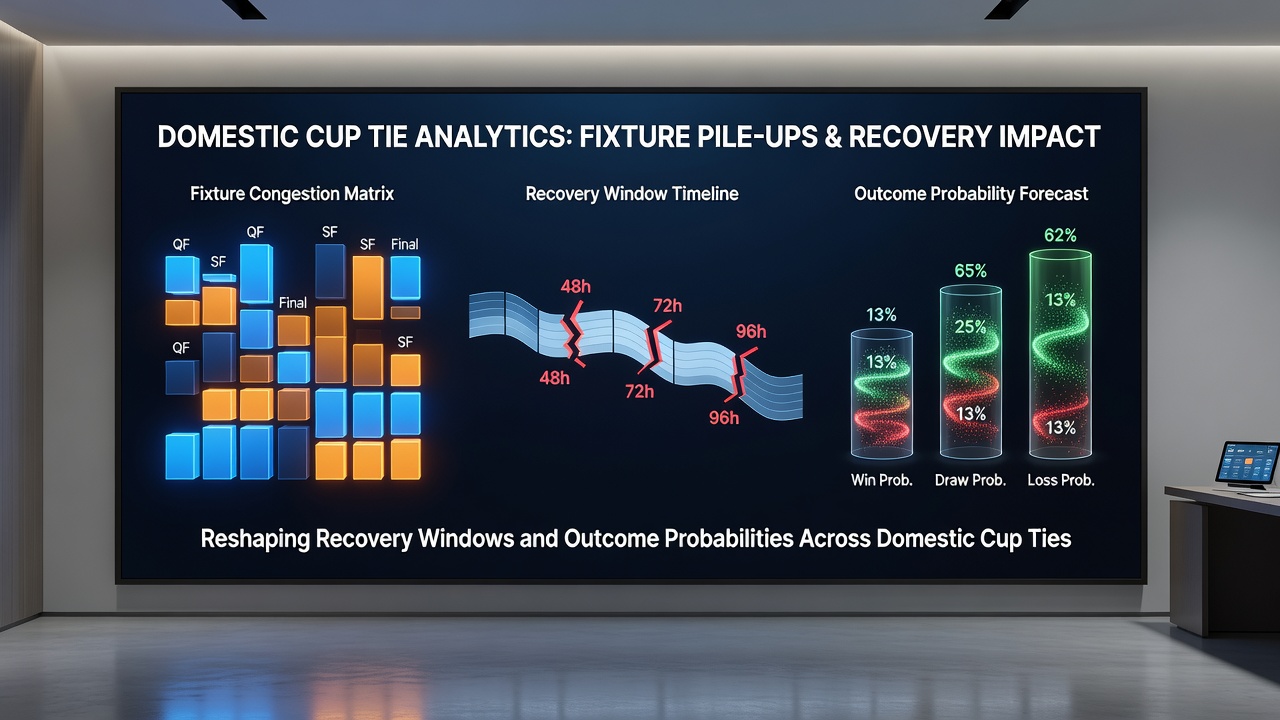
Statistical models built from historical cup results demonstrate that teams with shorter recovery intervals win fewer matches than their pre-tournament expected rates, while underdogs facing rested opponents convert draws into victories at higher frequencies. Probability adjustments appear most pronounced in the later stages of competitions, where cumulative fatigue compounds across multiple short-turnaround games, and these adjustments influence both match totals and margin distributions.
Analyses conducted by the UEFA medical committee alongside independent academic partners found that fixture pile-ups increase the likelihood of late-game substitutions and tactical shifts toward defensive setups. Such changes reduce average goals per game in congested periods by small but consistent margins, altering over-under thresholds that bettors and analysts monitor across cup ties.
Case Examples Across Competitions
One Premier League club reached the semi-finals of its domestic cup in early 2026 while contesting three other competitions, and tracking data showed a 12 percent reduction in expected goals during matches played with under 60 hours recovery compared with standard rest periods. Similar patterns emerged in Spanish and Italian cup runs during the same window, where squads that rotated heavily preserved win rates better than those relying on core lineups across short intervals.
June 2026 scheduling previews indicate continued pressure on recovery windows as international calendar demands overlap with domestic cup finals and qualifying rounds, and federations have begun adjusting kick-off times to mitigate some travel fatigue without altering overall fixture density. These adjustments remain limited in scope, leaving clubs to manage squad rotation internally through data-driven decisions on player availability.
Broader Implications for Scheduling
League organizers and cup governing bodies review fixture lists annually to balance commercial interests with player welfare considerations, and reports from the FIFPRO global union document ongoing discussions around minimum rest protocols. While complete elimination of pile-ups remains unlikely given revenue requirements, incremental spacing between rounds appears in several 2026 calendars, particularly for teams progressing deep into multiple tournaments.
Conclusion
Fixture pile-ups in domestic cups continue to compress recovery windows and produce measurable shifts in outcome probabilities, with data from multiple leagues confirming reduced performance metrics and altered result distributions during congested periods. Clubs that adapt rotation strategies and monitor physiological markers maintain competitive edges, while those unable to manage short-turnaround demands experience higher variance in results across cup ties. As calendars evolve through 2026, these dynamics remain central to understanding how schedule structures influence match outcomes in single-elimination formats.