Post Position Advantages in Juvenile Races at Britain's Premier Tracks
Written by Dana Russell · Jun 30, 2026
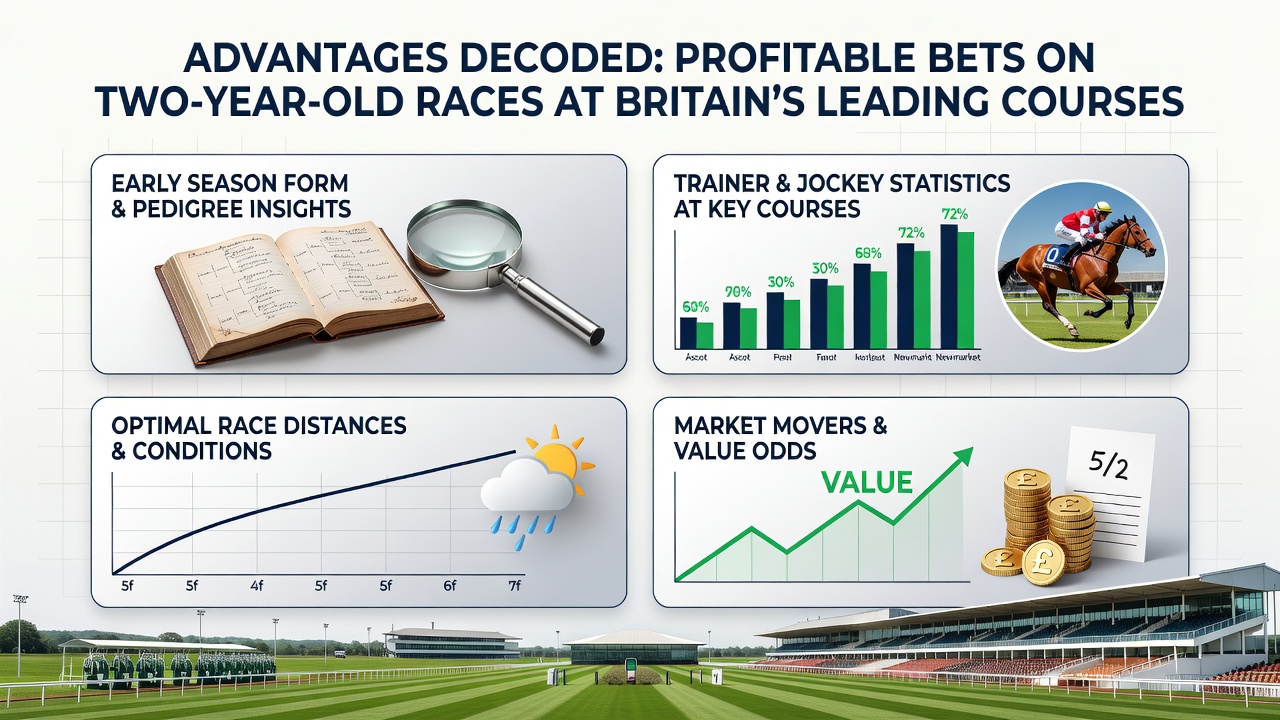
Post Position Advantages in Juvenile Races at Britain's Premier Tracks
Draw advantages in two-year-old races represent a measurable factor at leading British courses where starting stall positions influence race outcomes due to track configurations and ground conditions. Research from various racing authorities shows that certain posts deliver higher strike rates in sprints and middle-distance contests involving juveniles particularly during the early part of the season when fields are large and inexperienced runners dominate the entries.
Understanding Draw Biases at Key Venues
Ascot and Newmarket stand out for their pronounced draw effects in two-year-old maidens and condition races because the straight courses and undulations create distinct paths that favor low or high numbers depending on the meeting. Data collected over multiple seasons indicates that at Ascot's straight track low draws often secure an edge in five and six furlong events while Newmarket's Rowley Mile course tends to reward high draws when the ground rides fast in spring months.
York and Haydock Park add further layers to these patterns since their configurations include bends that amplify the impact of stall placement for two-year-olds who have yet to develop tactical awareness. Studies conducted by international racing bodies such as those affiliated with the Association of Racing Commissioners International reveal consistent trends where inside draws reduce the distance traveled on turning tracks and thereby improve win probabilities in fields exceeding ten runners.
Seasonal Variations and June 2026 Developments
June 2026 brings renewed attention to these dynamics as the Royal Ascot meeting and subsequent fixtures at other premier venues highlight how weather patterns interact with draw positions. Observers note that wetter conditions often flatten biases at some tracks while enhancing them at others because softer ground allows runners from unfavorable stalls to recover ground more effectively. Figures from European racing databases confirm that two-year-old races in early summer produce the clearest statistical edges when analyzed by stall number and ground description.
Trainers and jockeys adapt their strategies accordingly by targeting specific posts in entries while betting markets adjust odds to reflect historical performance data. Those who have examined long-term records find that combining draw statistics with pace maps and trainer form produces more reliable indicators than relying on any single element alone.
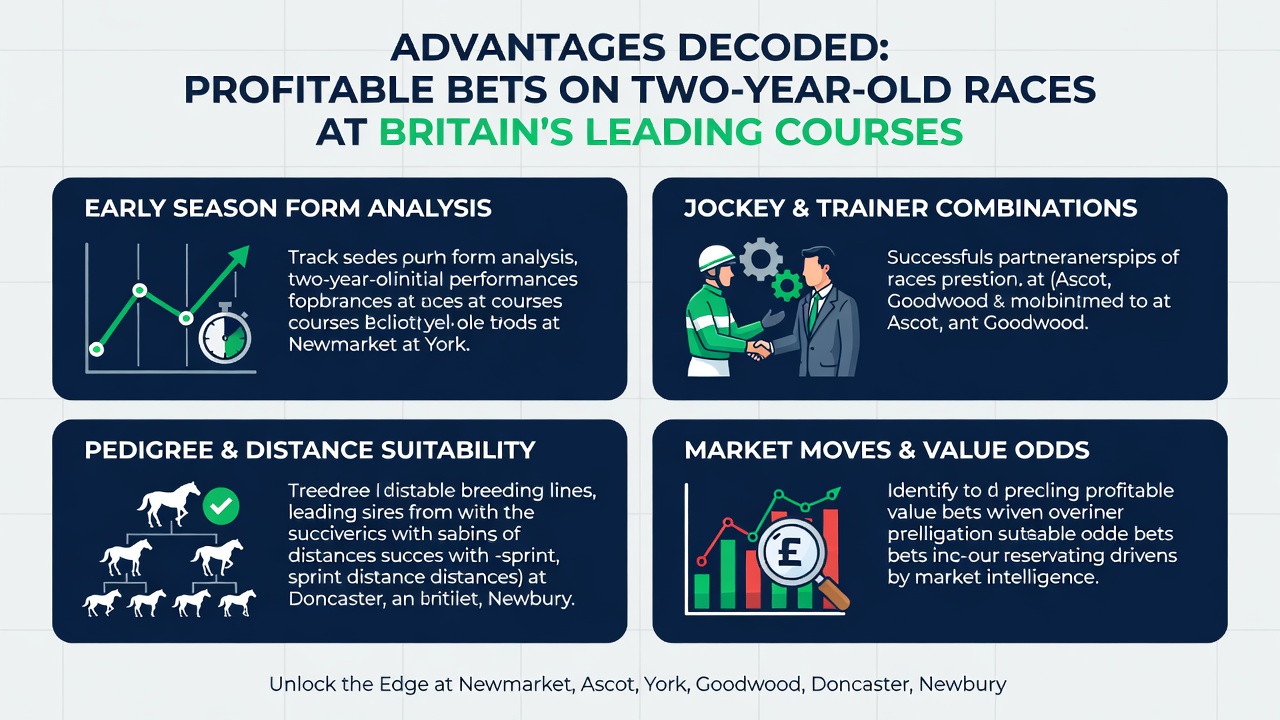
Course-Specific Patterns Across Britain
At Epsom and Goodwood the unique topography creates additional variables because the downhill sections and sharp turns reward stalls that allow early positioning. Records show that in two-year-old races over five furlongs low numbers frequently dominate at Epsom whereas Goodwood's undulating straight favors middle to high draws when the field spreads across the course. Analysts who track these venues report that the advantage becomes more pronounced in larger fields where traffic problems hinder runners drawn on the wrong side.
Doncaster and Newbury present contrasting profiles with their wide straights and gradual bends that sometimes neutralize draw effects entirely in certain conditions. Evidence gathered from race results demonstrates that two-year-old handicaps later in the season shift the emphasis toward class and fitness because teh horses have gained experience and the biases diminish as a result.
Integrating Draw Data into Betting Approaches
Successful application of draw information requires cross-referencing stall positions with recent course results and official going reports rather than treating the statistic in isolation. Multiple sources including academic papers on equine performance and industry reports from groups such as the Horse Racing Research Institute emphasize the value of longitudinal data sets that span several years to distinguish genuine advantages from random fluctuations.
Two-year-old races at the highest level provide fertile ground for such analysis because the runners lack established form lines and therefore external factors like draw carry greater weight. People who monitor these meetings observe that early season maidens at Ascot and York yield the strongest correlations between post position and finishing position when compared with later handicaps where ability gaps widen.
Conclusion
Draw advantages continue to shape outcomes in Britain's two-year-old races at leading courses through a combination of track geometry, ground conditions, and field size. Comprehensive records from major venues demonstrate repeatable patterns that reward careful study of stall positions alongside complementary data points. Those analyzing these races benefit from focusing on specific meetings where historical trends remain robust and from updating assessments as new results emerge throughout each season including the June 2026 fixtures.