Seasonal Court Surface Evolution Across ATP Events: Metrics Shifts Influencing Multi-Leg Bet Outcomes
Written by Dana Russell · Aug 27, 2026
Seasonal Court Surface Evolution Across ATP Events: Metrics Shifts Influencing Multi-Leg Bet Outcomes
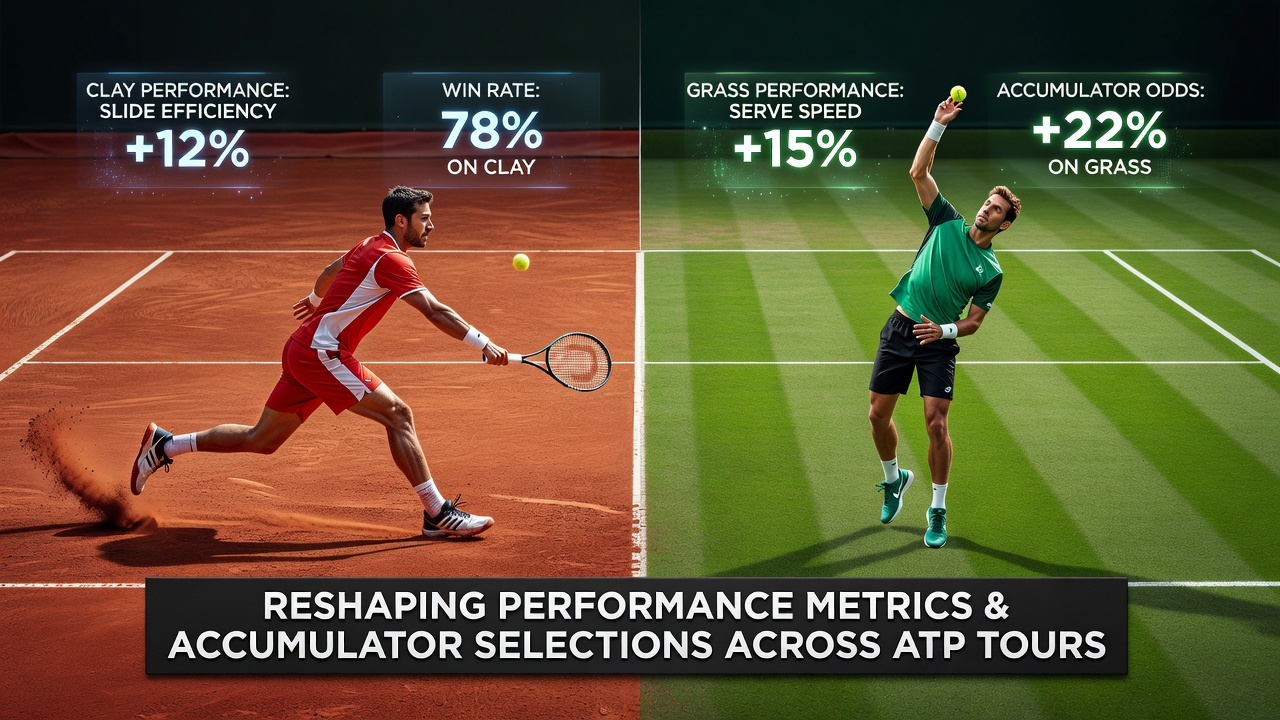
ATP tours schedule clay events in spring followed by grass courts in early summer, and these changes alter rally lengths, serve effectiveness, and footwork demands while reshaping performance metrics that feed into accumulator selections; players who excel on slower surfaces often see win rates drop when matches move to faster grass, and data from multiple seasons shows baseline grinders posting lower success percentages once the ball travels quicker through the court.
Historical Patterns in Surface Adaptation
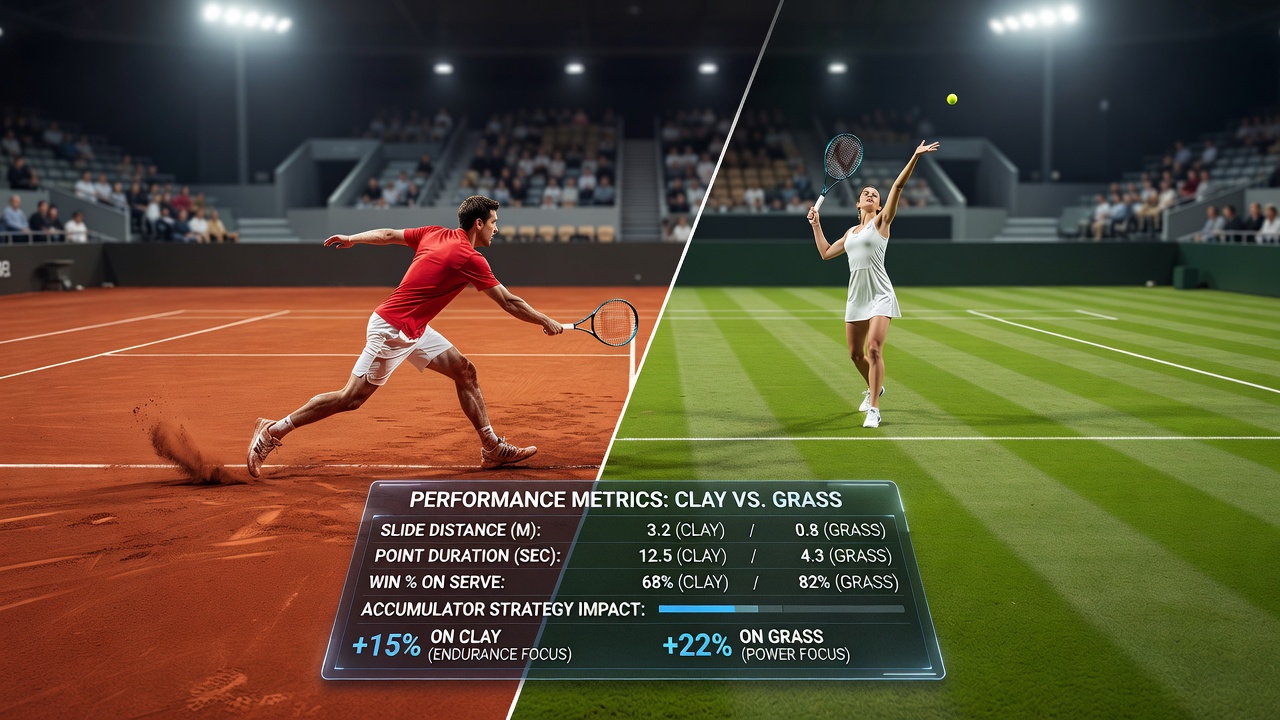
ATP calendars have long placed clay tournaments such as those in Madrid and Rome before the grass swing that includes Halle and Queen’s Club, and observers note that top-ranked players adjust training blocks to accommodate the shift because clay rewards heavy topspin and endurance whereas grass favors flat serves and quick points; studies compiled by tennis federations across Europe and Australia indicate that average rally length falls from roughly nine shots on clay to four or five on grass, which directly changes expected game lengths and influences how bookmakers set lines for multi-leg bets.
Performance Metrics Undergoing Change
Service hold percentages rise on grass because the ball skids and bounces lower, and first-serve win rates for big servers climb by several points compared with clay figures, while return points won decline for players who rely on counter-punching; ATP statistics tracked across recent years reveal that net approaches increase substantially once tournaments switch surfaces, and those who have studied match data find that break-point conversion rates drop on grass since shorter points reduce the number of opportunities for returners to capitalize.
Footwork adjustments also appear in the numbers because clay allows sliding into shots whereas grass demands shorter, choppier steps to maintain balance, and injury reports from medical teams at ATP events show a slight uptick in ankle and knee issues during the first week of grass play as players recalibrate movement patterns.
Accumulator Selections Responding to Surface Data
Betting operators adjust odds for match winners and set totals when the tour moves from clay to grass, and those who follow historical performance records often select players with proven grass records for early legs of accumulators while avoiding heavy clay specialists until they demonstrate adaptation; figures released by sports analytics groups in North America and the EU show that over/under game totals frequently move lower on grass because points conclude faster, which alters the structure of multi-bet combinations that include both winner and total-games markets.
Case examples from past seasons illustrate the pattern: players who reached deep runs at Roland Garros sometimes exit early at Wimbledon when serve dominance becomes decisive, and accumulator builders who combine those results with later hard-court events must account for another transition window that begins after the grass season concludes; in August 2026 the North American hard-court swing will again test how well athletes carry over any grass-honed serving improvements into faster, higher-bouncing conditions.
Regional Variations and Data Sources
European clay courts tend to play heavier in cooler spring temperatures, while Australian grass events later in the year can feature drier, quicker conditions, and researchers at institutions in both regions have published comparisons showing how humidity and altitude further modify bounce and speed; these variables feed into statistical models that accumulator platforms use to recalculate probabilities when the tour calendar advances, and cross-referencing with official ATP match logs helps confirm which athletes maintain consistent metrics across multiple surfaces.
One study conducted through a Canadian sports science program examined serve speed differentials and found measurable increases on grass that correlate with higher ace counts, which in turn affects the viability of certain prop bets within larger accumulator structures; another report from an Australian research center tracked return efficiency and confirmed that players with strong clay returns often need several matches on grass before regaining prior break-point success levels.
Conclusion
Clay-to-grass transitions continue to produce measurable shifts in rally duration, serve dominance, and movement efficiency that propagate through ATP performance records and alter the construction of accumulator selections; tracking these changes through verified match data allows systematic adjustments when multiple events span different surfaces within a single betting sequence, and ongoing collection of statistics from varied geographic regions supports more precise modeling of how individual players respond each season.