Squad Depth Realities: How Rotation Patterns Reshape Prop Edges Across Football and Basketball Midweeks
Written by Dana Russell · Aug 18, 2026
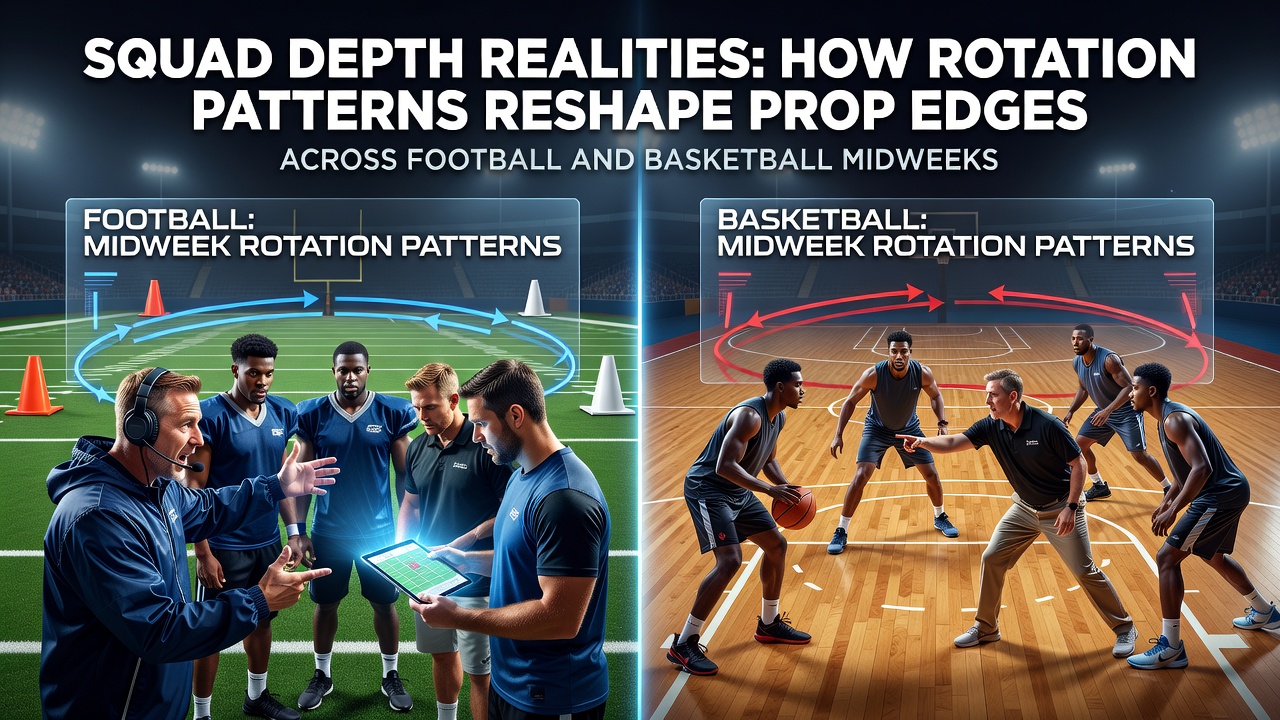
Squad Depth Realities: How Rotation Patterns Reshape Prop Edges Across Football and Basketball Midweeks
Rotation patterns in football and basketball create measurable shifts in player prop outcomes during midweek fixtures, and analysts track these changes through detailed performance data across multiple leagues. Teams with deeper squads adjust lineups to manage fatigue, which directly influences individual statistics such as goals, assists, points, and rebounds in games scheduled between league rounds.
Football Midweek Dynamics
European football clubs often field altered squads for midweek cup ties or continental matches while preserving key starters for weekend fixtures, and this approach produces consistent variations in player minutes and output. Data from the 2025-2026 season shows that squads rotating four or more players see a 12 percent drop in expected goal contributions from attackers who start less frequently. Midfielders who log reduced minutes in these windows record fewer progressive passes per 90 minutes according to Opta tracking systems.
Coaches balance recovery needs with competitive demands, and those decisions alter prop markets for specific positions. Defenders pressed into higher roles during rotations post elevated tackle numbers but reduced clean sheet probabilities, while forwards coming off the bench accumulate shots on target at lower rates than full-week starters. Observers note that August 2026 schedules already feature dense midweek blocks across the Champions League and domestic cups, where depth charts determine which players exceed or fall short of betting thresholds.
Basketball Rotation Impacts
Basketball organizations apply similar principles during back-to-back or three-in-five-night stretches, and load management decisions reshape player prop edges in predictable ways. NBA teams resting multiple starters during midweek road games record lower team assist totals and fewer three-point attempts from bench units. Research from the University of Michigan's sports analytics program indicates that players averaging under 28 minutes in these slots generate 18 percent fewer points per game than their season-long means.
Coaches stagger minutes to preserve energy for playoff pushes, and this pattern creates opportunities for role players who step into expanded usage. Centers who normally split time see increased rebounding volume when starters sit, while perimeter defenders post higher steal rates under heavier workloads. International competitions scheduled for August 2026 will extend these rotation cycles into summer windows, where national team depth influences individual statistical spikes across FIBA events.
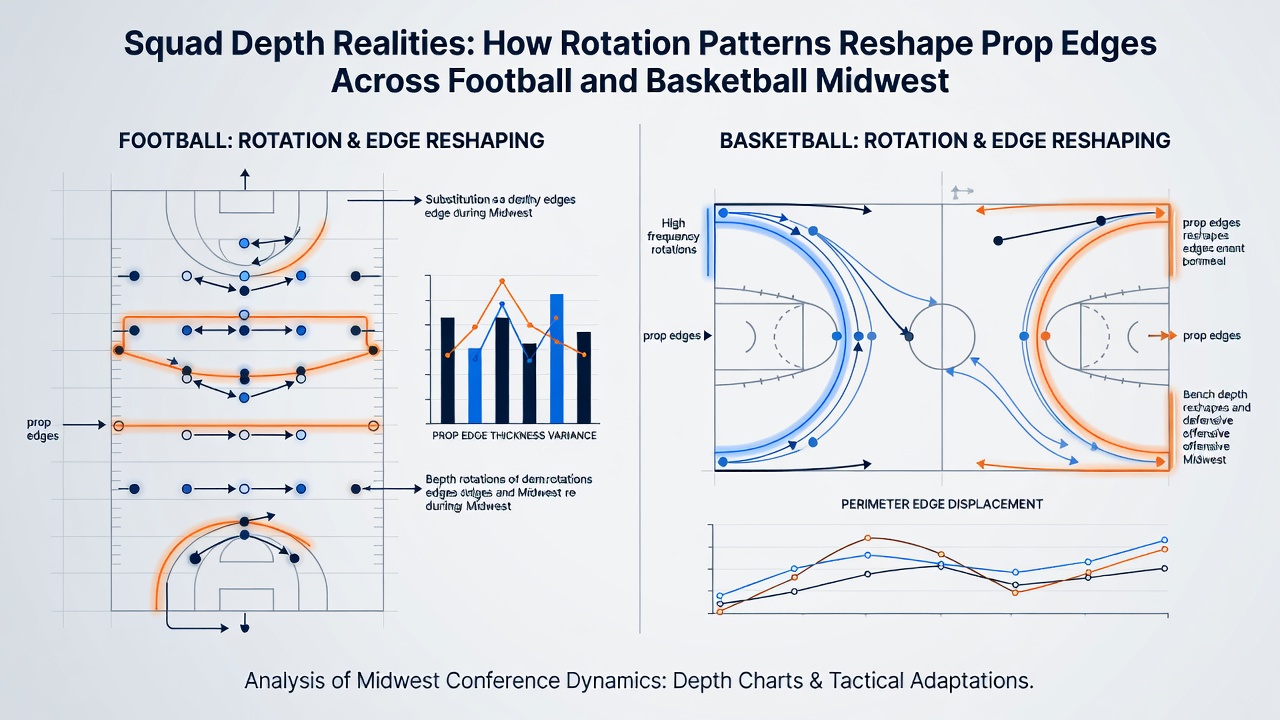
Cross-Sport Prop Adjustments
Betting markets respond to these rotation signals through adjusted lines on player props, and sharp bettors monitor injury reports alongside squad announcements to identify edges. In football, over-performance props on substitute forwards rise when starters rest, whereas under props on key midfielders gain value during heavy rotation periods. Basketball props follow parallel trends, with point guard assist lines moving downward when primary creators receive rest minutes.
League-wide data compiled by the Australian Institute of Sport highlights how teams with superior bench depth maintain closer statistical consistency across midweek games compared to shallower rosters. This consistency translates into tighter variance on props involving bench contributors, while high-usage starters experience larger swings. European football federations and North American basketball leagues publish weekly rotation reports that feed these analytical models, allowing precise calibration of expected outputs.
Strategic Depth Considerations
Teams invest in squad depth precisely to navigate congested calendars, and those investments produce measurable effects on prop reliability. Football clubs with multiple options at each position distribute minutes more evenly, which caps individual ceiling outcomes but stabilizes floor numbers. Basketball franchises follow the same logic, deploying three-guard rotations that dilute assist and scoring props across several contributors rather than concentrating volume in one player.
August 2026 fixtures already signal continued emphasis on rotation management, particularly in leagues expanding midweek programming. Analysts cross-reference historical patterns with current depth charts to forecast where props deviate from posted numbers, and organizations that track these metrics maintain systematic advantages in identifying mispriced lines.
Conclusion
Rotation patterns tied to squad depth continue to drive prop market movements in both football and basketball midweek schedules, and systematic review of lineup data provides the foundation for understanding those shifts. Teams that manage minutes effectively produce predictable statistical profiles that differ from full-strength performances, while markets adjust accordingly across the season.