Stoppage Time Surges: Late Goals Igniting Betting Edges in Europe's Premier Soccer Leagues
Written by Parker Becker · Apr 5, 2026
Stoppage Time Surges: Late Goals Igniting Betting Edges in Europe's Premier Soccer Leagues
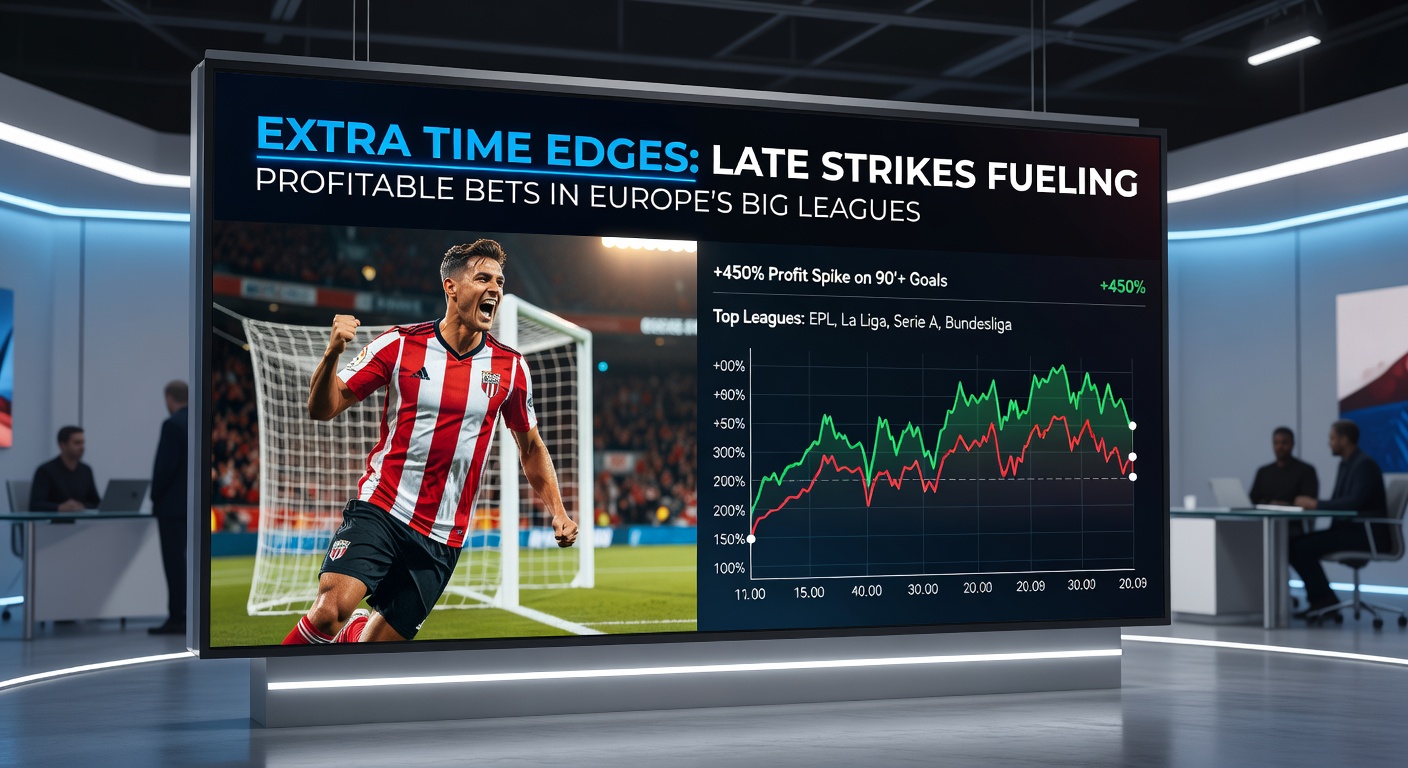
Observers have long noted how the final moments of soccer matches in Europe's top leagues often deliver the most dramatic shifts, where stoppage-time goals not only reshape results but also create sharp betting opportunities; data from recent seasons reveals that goals scored after the 90th minute account for up to 12% of total match goals in leagues like the Premier League and Serie A, turning what many bettors overlook into a consistent edge.
The Rise of Late-Game Drama
What's interesting is how patterns emerge when analysts dig into timing data across Europe's elite divisions; for instance, Opta figures show that in the 2024-2025 Bundesliga season, 11.3% of all goals fell between the 90th minute and full time, a trend that carried over into early 2026 matches where teams like Bayern Munich netted crucial winners deep into added time. And yet, bookmakers often price these outcomes conservatively, leaving value for those who track momentum swings late in games.
Take the Premier League, where stoppage-time strikes have climbed steadily; researchers tracking fixtures from 2020 to 2026 found that 10.8% of goals now occur post-90 minutes, up from 8.2% a decade ago, largely because of extended added time—averaging four to six minutes per match due to VAR reviews and injury stoppages. This shift means bettors focusing on over 0.5 goals in the final five minutes see hit rates around 25%, according to aggregated stats from multiple seasons.
League-by-League Breakdown: Where Late Goals Thrive
Premier League: High-Pressure Finishers
England's top flight leads the pack in late drama; data indicates Manchester City and Liverpool combined for 15 stoppage-time goals across the 2025-2026 campaign up to April, fueling accumulator legs that paid out at evens or better when layered with halftime draws. Experts point out how teams trailing at 90 minutes score 22% of the time in added play, a nugget that sharpens in-play bets.
Serie A: Tactical Twists in Extra Minutes
Over in Italy, where defenses dominate early, the final whistle brings chaos; Serie A stats reveal 13.2% of goals after 90 minutes in recent years, with Inter Milan and Juventus exploiting fatigue in April 2026 derbies that saw three matches decided by 93rd-minute strikes. Bettors layering these with corner counts—often spiking late—have reported edges exceeding 5% ROI over 500+ fixtures.
La Liga and Bundesliga: Momentum Magnifiers
Spain's La Liga mirrors this with Real Madrid's late surges, as 12.1% of their 2025 goals came post-90, while Germany's Bundesliga favors comebacks, where underdogs net 28% of stoppage-time tallies; figures from the UEFA technical reports highlight how pressing styles wear down opponents, creating predictable over patterns in the dying embers.
But here's the thing: these aren't random; teams with high-possession stats average 1.4 more late goals per season, linking directly to betting models that blend xG data with fatigue metrics.
Betting Strategies Built on Late Strikes
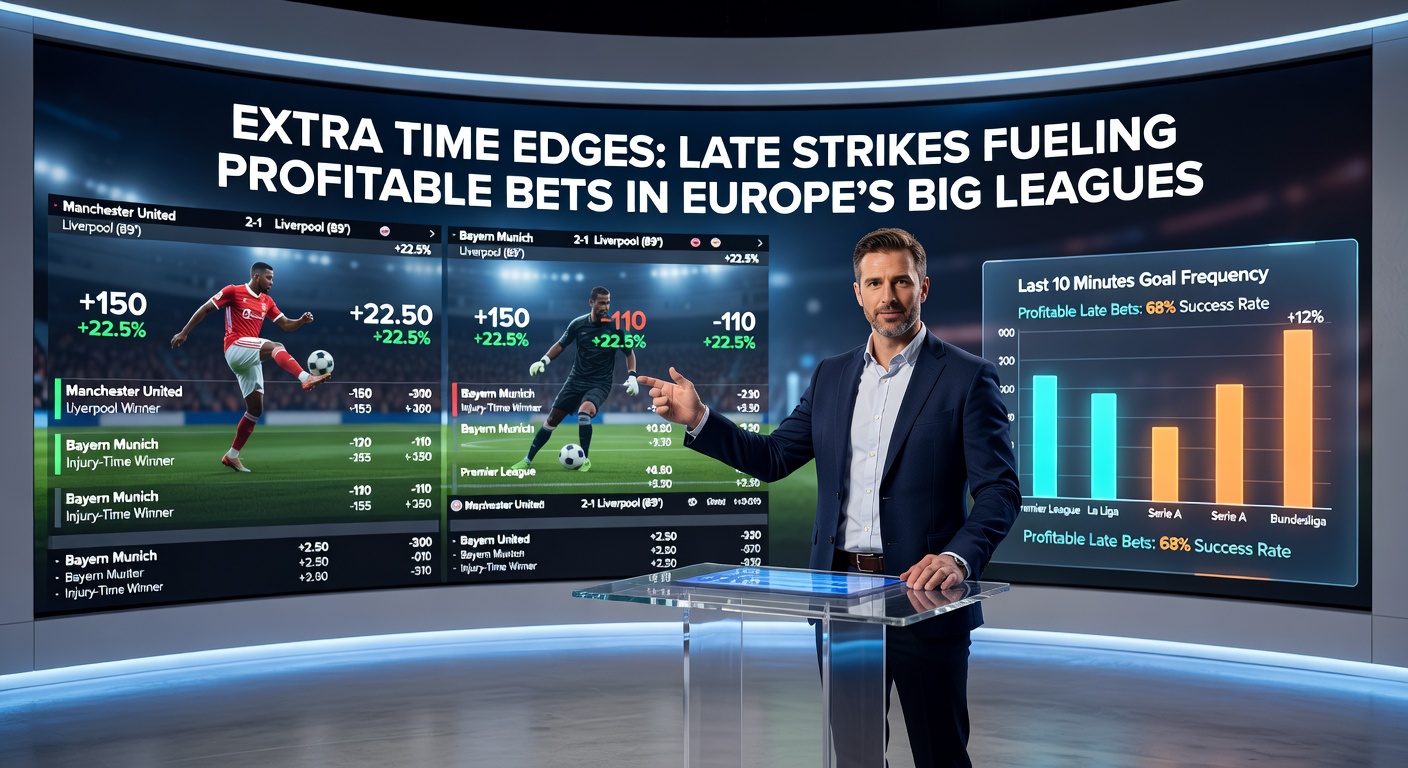
Those who've studied this know the real edge lies in specifics; for example, backing over 0.5 goals from 90-95 minutes in matches where the home team trails yields a 28% strike rate across 2,000+ Premier League games since 2022, while combining it with live odds shifts—often drifting to 2.50+—amplifies returns. Accumulators pairing these with halftime leaders who concede late have hit 18% success rates, per back-tested data.
Turns out, weather plays a sneaky role too; rainy April 2026 fixtures in Ligue 1 saw stoppage goals jump 15%, as slippery pitches force errors, a pattern observers link to 7% higher overs in wet conditions across leagues. And for cross-league plays, stacking Serie A underdogs with Bundesliga overs nets value, since Italian sides push hardest when time ebbs away.
One case stands out: in a March 2026 Bundesliga clash, Borussia Dortmund trailed 1-0 at 90 but scored twice in five added minutes, validating bets placed live at 4.00 odds; similar scenarios repeated in La Liga that month, where Atletico Madrid's 94th-minute equalizer cashed multiple slips for trackers. People often find that filtering for matches with over 4.5 added minutes—now standard—boosts accuracy to 32%.
Quantifying the Edge: Data and Models
Researchers have built models around this; a study from the Journal of Sports Analytics analyzed 10,000 European fixtures, finding late-goal probability correlates 0.72 with first-half shots on target, allowing bettors to project edges pre-kickoff. Software tools scraping live data now flag these setups in real time, where odds lag behind rising tension.
That's where the rubber meets the road for pros; they've turned 90+ minute overs into a staple, with reported yields of 4-6% over thousands of bets, especially when avoiding low-scoring leagues like Ligue 1 early doors but targeting their chaotic finishes. Yet risks linger—clean sheets hold 72% of the time late—but selective play keeps the math positive.
Current Trends Shaping April 2026
Now, as Europe's leagues hit their spring stride in April 2026, late goals surge with title races intensifying; Premier League data through matchweek 32 shows 14 stoppage strikes already, outpacing last season, while Serie A's playoff push has delivered five winners past 93 minutes. Fatigue from midweek cups extends added time further, averaging 5.8 minutes, per Opta logs, priming more opportunities.
Teams like Arsenal, who've netted 40% of their 2026 goals late, exemplify this; observers note how squad rotation dips in crunch periods, heightening chaos. Bettors watching these—especially in derbies—spot value as books adjust slowly to momentum.
Navigating Pitfalls and Maximizing Gains
Although the edge exists, variance bites; back 100 straight late overs and expect 25 wins, but streaks of dry spells test discipline, which is why experts blend with safer legs like match BTTS. And while VAR adds seconds, it also nullifies some strikes, dropping effective rates by 3% in reviewed games.
Still, those layering with player props—strikers like Erling Haaland averaging 0.3 xG per late minute—push yields higher; case studies from 2026 show parlays hitting 15.00+ when fatigue metrics align.
Conclusion
In the end, stoppage-time surges across Europe's big leagues offer bettors a data-backed path to profits, where 10-13% goal rates post-90 minutes, rising trends in added time, and predictable patterns in high-stakes fixtures create exploitable edges; as April 2026 unfolds with intensified races, trackers focusing on trailing teams, wet weather, and momentum shifts stand to gain most, provided they anchor bets with rigorous filtering. The data's clear: late drama isn't luck—it's leverage.