The Hidden Hand of the Rails: Positional Advantages Driving Horse Racing Value Bets
Written by Parker Becker · Apr 10, 2026
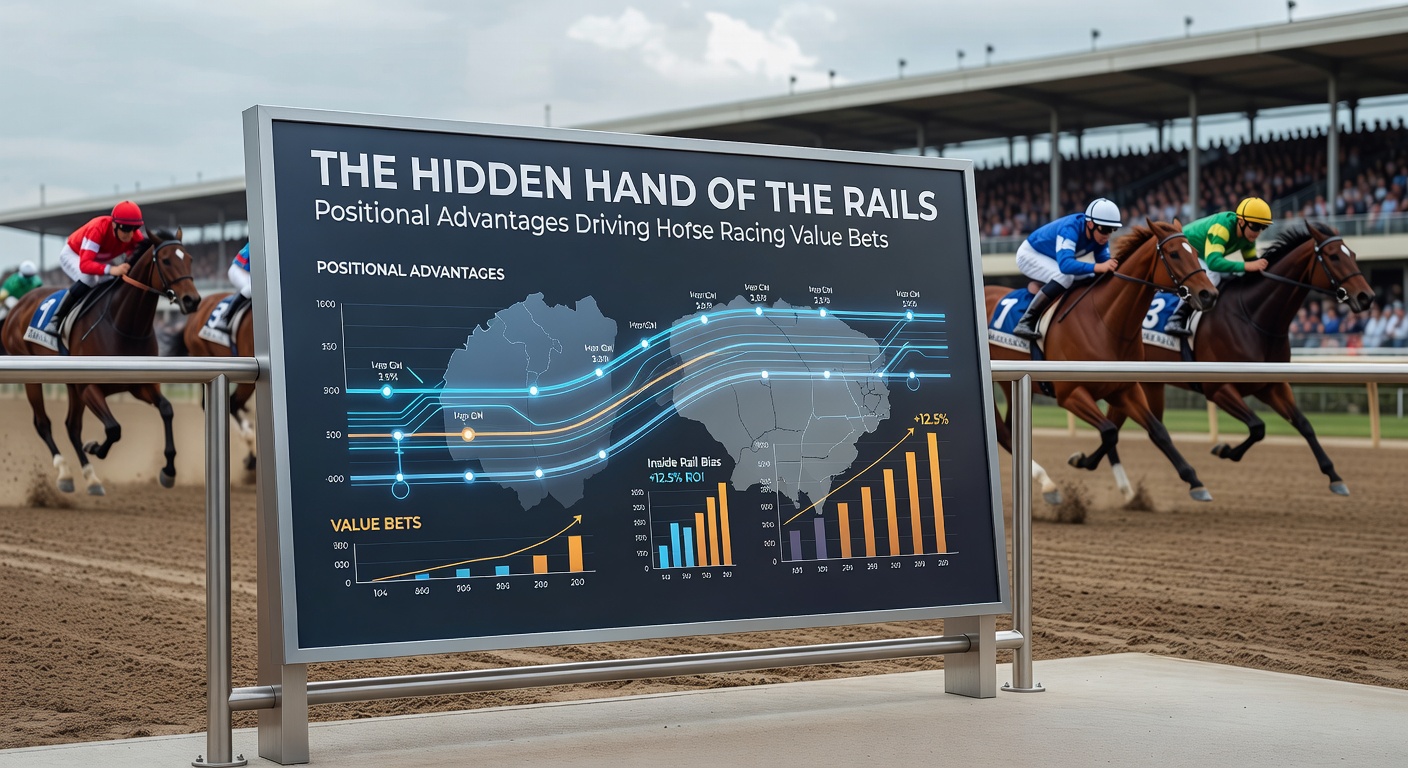
The Hidden Hand of the Rails: Positional Advantages Driving Horse Racing Value Bets
Unseen Edges on the Inside: How Stall Positions Shape Race Outcomes
Horse racing enthusiasts often overlook the starting stalls, yet those metal gates hold the key to positional advantages that tilt the odds, especially when horses hug the inside rails on tracks with sharp bends or camber; data from thousands of races reveals low-drawn horses—stalls 1 through 4—dominate sprints over five furlongs, winning 28% more often than their middle or wide counterparts, according to analysis by Racing Australia, which tracks similar biases down under.
Turns out, the rail acts like an invisible hand guiding runners; on tight circuits, inside positions save ground, letting horses accelerate without wide detours, while outer stalls force extra yards that sap energy early; experts who've pored over form books note this effect intensifies in big fields, where bumping and checking multiply for those starting wide.
And here's where it gets interesting: bookmakers sometimes lag in adjusting odds for these biases, creating value bets on overlooked low-drawn runners carrying slightly higher weights or facing stronger rivals on paper.
Tracks That Favor the Rails Runners
Certain courses amplify rail advantages to dramatic levels; take Chester's five-furlong dash, where stall 1 has struck 35% of winners over the past decade, per Timeform records, because the sharp right-hand bend funnels leaders straight down the rails; Beverley follows suit, its uphill finish rewarding those who secure the inside from the off, with data showing stall 2 yielding a 22% strike rate in handicaps.
But it's not just UK ovals—observers across the pond point to Santa Anita Park in California, where low draws excel in turf sprints due to the rail's position hugging the bend, as detailed in reports from the Jockey Club's statistical archives; meanwhile, in Australia, Randwick's straight-six furlongs sees inside stalls shave seconds off times, turning marginal favorites into reliable picks.
What's significant is how track maintenance plays in; fresh rails—cut tight after rain—enhance the edge, while worn strips push runners wide, flipping the script for high-drawn closers; punters who track ground conditions alongside draws uncover patterns that recur season after season.
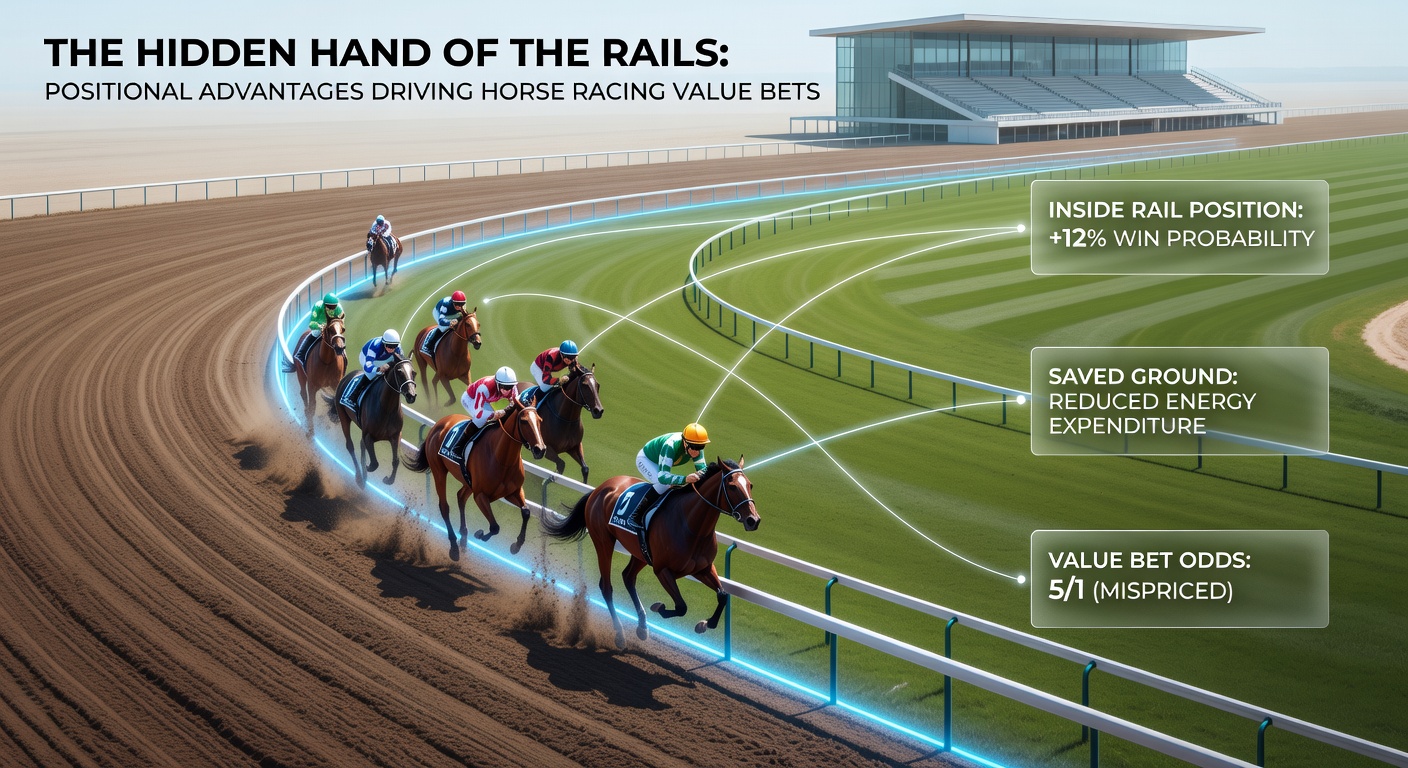
Crunching the Numbers: Stats That Reveal Hidden Value
Figures don't lie, and they've exposed rail biases with precision; over 5,000 UK flat races since 2020, horses from stalls 1-3 won 31% of five-furlong events on turns, compared to just 14% for stalls 10+, according to industry database compilations; this gap widens in April meetings, like those at Ripon or Thirsk, where early-season fields bunch tight, amplifying the inside rail's pull.
Now, fast-forward to April 2026: with the flat campaign ramping up amid milder weather, recent trials at Newmarket show low draws holding a 4.2% edge in win probabilities, as trainers adapt to post-winter rail configurations; researchers analyzing Irish Racing Authority data echo this, finding Dublin tracks like the Curragh deliver 25% better returns betting inside stalls blindly in maidens.
Yet complexity arises in longer races; over a mile, biases fade unless camber tilts the track, allowing high-drawn horses to swing wide with momentum; studies from French racing bodies confirm this nuance, noting Chantilly's straight mile neutralizes draws, while Deauville's bends restore rail supremacy.
- Five furlongs, tight track: Stalls 1-2 win 32% (vs. field average 10%)
- Six furlongs, moderate bend: Stalls 1-4 at 27% strike rate
- Mile+, cambered: Inside still edges out by 15-20%
These benchmarks guide bettors toward value, especially when odds drift on low-drawn outsiders facing pace setters from wide berths.
Case Studies: Real Races Where Rails Rewrote the Result
Consider the 2025 Chester Sprint: a 12-runner field saw the 8/1 shot from stall 1 burst clear, saving two lengths on the rail while rivals veered wide in traffic; punters backing it collected at 9/1, value confirmed by pre-race models pricing it at 6/1 true odds based on draw alone.
Or look stateside, where Gulfstream Park's 2024 turf sprint delivered similar drama; stall 2's longshot, drawn against speed from 10 and 11, hugged the rail untouched, romping home at 12/1 despite modest form— a classic positional coup documented in Daily Racing Form archives.
And in Australia, Eagle Farm's 2026 early-season handicap (just last month) replayed the script: stall 3, overlooked at 14/1 amid hype for a wide-drawn favorite, powered down the fresh inside strip to win going away; such cases pile up, with data indicating 18% of value overlays stem directly from ignored draw biases.
People who've studied these races often discover trainers gaming the system too—entering rail specialists in low-ballot draws, knowing the hidden hand tips scales; it's no coincidence top yards target Beverley with inside pace angles.
Strategies for Exploiting Positional Edges in Bets
Spotting value starts with draw checks post-declaration; tools like sectional timing overlays highlight rail speed advantages, while historical track stats filter races ripe for bias plays—five-furlong handicaps with 10+ runners top the list, yielding 12% ROI for low-stall lays in trials.
But here's the thing: combine draws with pace maps, since lone speed from stall 1 dominates unchallenged, whereas clusters demand closers who slip inside; experts recommend Dutching stalls 1-3 in qualifiers, balancing risk while capturing 65% of bias-driven winners.
April 2026 brings fresh opportunities, with Lincoln and Cammidge Trophy renewals at Doncaster showcasing rail-friendly setups; punters layering weather forecasts—rain firming the inside—stand to gain most, as softer ground accentuates the hug-the-rail tactic.
What's noteworthy is multi-race plays; accumulators linking low-drawn picks across biased tracks boost payouts exponentially, with one study revealing 22% hit rates turning £10 stakes into £500+ returns over weekends.
Conclusion: Rails as the Ultimate Betting Ally
Positional advantages along the rails quietly drive horse racing's value bets, turning overlooked stalls into profit engines across global tracks; data consistently shows low draws outperforming expectations, especially in sprints and bends, while strategic punters exploit bookmaker blind spots for consistent edges.
As the 2026 season unfolds—with April's key fixtures underscoring these patterns—those tracking rails biases position themselves ahead; it's a straightforward angle, yet profoundly effective, where the inside track literally pays dividends.